🧵 What Makes a Quilt an Heirloom?
There’s a moment, usually somewhere between the last stitch and the first time you spread a finished quilt across a bed, when you realize you’ve made something that will outlive you. Quilts have a way of carrying stories forward — not just through their patterns and fabrics, but through the hands that shaped them, the choices made along the way, and the quiet hours stitched into every seam.
🧵 More Than Fabric and Thread
The heirloom quilt is not the perfectly pieced quilt with museum quality stitches or precision borders. What makes a quilt an heirloom is the intention behind it — the care, meaning, and the personal touches that turn fabric and thread into something deeply human.
Whether you’re a brand‑new quilter or someone returning to the craft after a pause, you already have everything you need to create a quilt that feels timeless. From hand‑guided techniques like appliqué and quilting to thoughtful fabric choices and simple storytelling details, heirloom quality is less about skill level and more about connection. And that’s something every quilter can stitch into their work.
🧵The Heart of an Heirloom: Meaning and Story
Every quilt carries a story, whether we intend it or not. Sometimes it’s the story of a season in our lives — a new baby, a move, a loss, a fresh start. Other times it’s quieter, stitched into the rhythm of evenings spent at the sewing machine or the simple joy of choosing colors that feel like home.
What makes a quilt truly heirloom-worthy is the way it holds those stories for the people who come after us. A quilt becomes a memory keeper. It becomes the thing someone reaches for when they want to feel connected to the person who made it.
And the beautiful part is that you don’t need decades of experience to infuse your quilts with that kind of meaning. Beginners often do this naturally without even realizing it.
Personal Fabrics With a Past
Incorporating fabrics that already carry emotional weight — a child’s outgrown dress, a grandfather’s shirt, a scrap from a wedding tablecloth — instantly transforms a quilt into something deeply personal.
Small Touches That Tell a Story
Adding a date, a name, or a short message on a label is one of the simplest ways to turn a quilt into a family artifact.
Meaning for the Maker, Too
Sometimes the heirloom quality isn’t about who receives the quilt — it’s about what the quilt meant to make. A project that helped you through a difficult time, or one that marked your return to creativity after a pause, carries its own quiet significance. Those emotions become part of the quilt’s story, even if no one else knows the details.
Meaning is the foundation. Techniques and materials build on top of it, but this is where heirloom quilts truly begin: with the heart of the maker and the story they choose to stitch into the cloth.
🧵Techniques That Stand the Test of Time
While meaning forms the heart of an heirloom quilt, the techniques you choose become its voice — the visible, tactile elements that future hands will trace and admire. These methods don’t have to be complicated or intimidating. In fact, many of the most enduring techniques are slow, simple, and deeply satisfying, even for beginners. They invite you to linger with your quilt, to add a bit of yourself to every stitch.
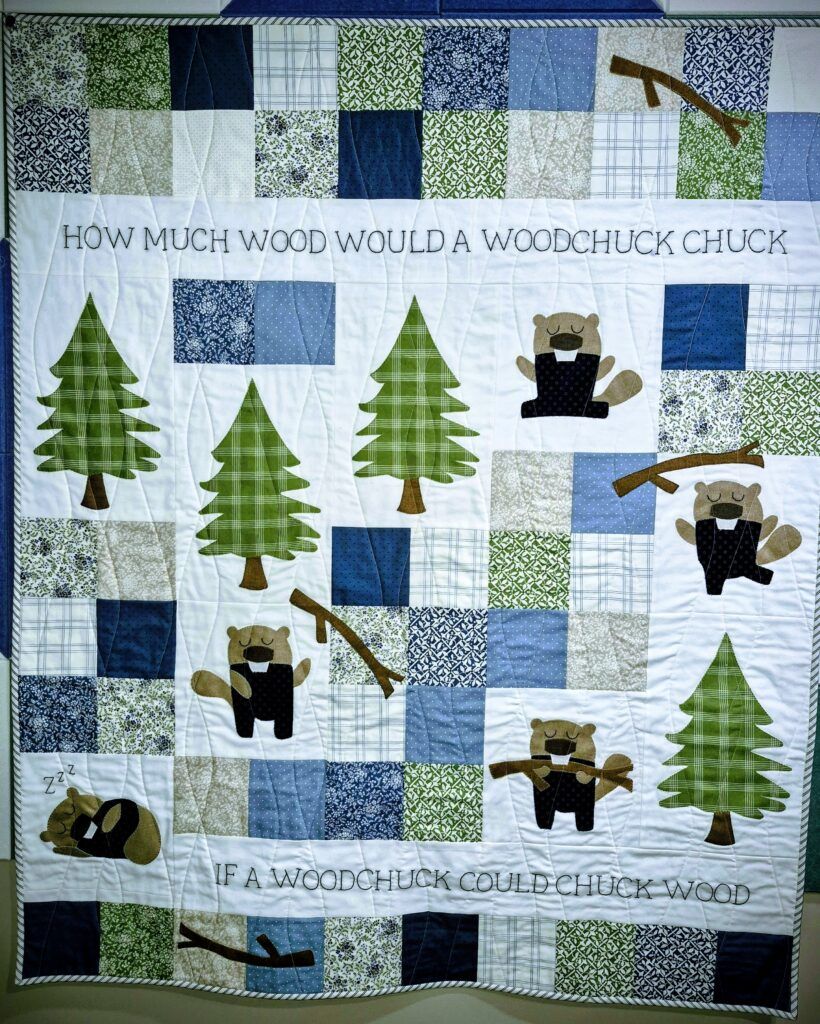
In the quilt shown above a variety of techniques were used – each one contributing and giving the quilt that heirloom quality.
Appliqué: A Personal Touch in Every Curve
Appliqué has always had a special place in heirloom quilting. There’s something undeniably tender about shapes cut and stitched by hand — flowers, vines, hearts, circles — each one slightly unique, each one touched by the maker.
Raw‑Edge Appliqué
Raw‑edge appliqué brings a modern, approachable charm. The soft fraying over time becomes part of the quilt’s story, giving it a lived‑in, well‑loved look. It’s perfect for beginners who want expressive shapes without the pressure of perfection.
Sweet potato quilts is a good place to learn more about this technique. She even has a free downloadable pattern to get you started!
Needle‑Turn Appliqué
Needle‑turn appliqué is the classic heirloom technique — gentle, quiet, and timeless. The smooth, hand‑turned edges create a softness that machines simply can’t replicate. Even adding a few needle‑turned elements to a mostly machine‑pieced quilt can elevate the entire piece.
Both methods offer something special, and both invite you to slow down and enjoy the process.
🧵Hand Quilting: The Human Element
There’s a reason hand‑quilted stitches make people pause. They’re imperfect in the most beautiful way — tiny variations that remind you a real person sat with this quilt, stitch by stitch, hour by hour.
Fine Hand Quilting
Those small, even stitches create a delicate texture that feels almost antique. It’s a technique that rewards patience, not perfection.
Big‑Stitch Quilting
Big‑stitch quilting is wonderfully beginner‑friendly. With thicker thread and longer stitches, it adds bold texture and a handmade warmth that stands out beautifully on modern quilts.
Even if you only hand quilt a border or a single block, that touch of humanity becomes part of the quilt’s legacy.
🧵Hand‑Finished Details That Matter
Sometimes it’s the smallest choices that make a quilt feel heirloom‑worthy.
- Hand‑stitched binding adds a soft, polished finish.
- Hand piecing small elements brings a sense of intimacy to the construction.
- English Paper Piecing offers meditative, portable stitching that naturally lends itself to heirloom projects.
These details don’t require advanced skill — just time, intention, and a willingness to enjoy the slower moments of quilting.
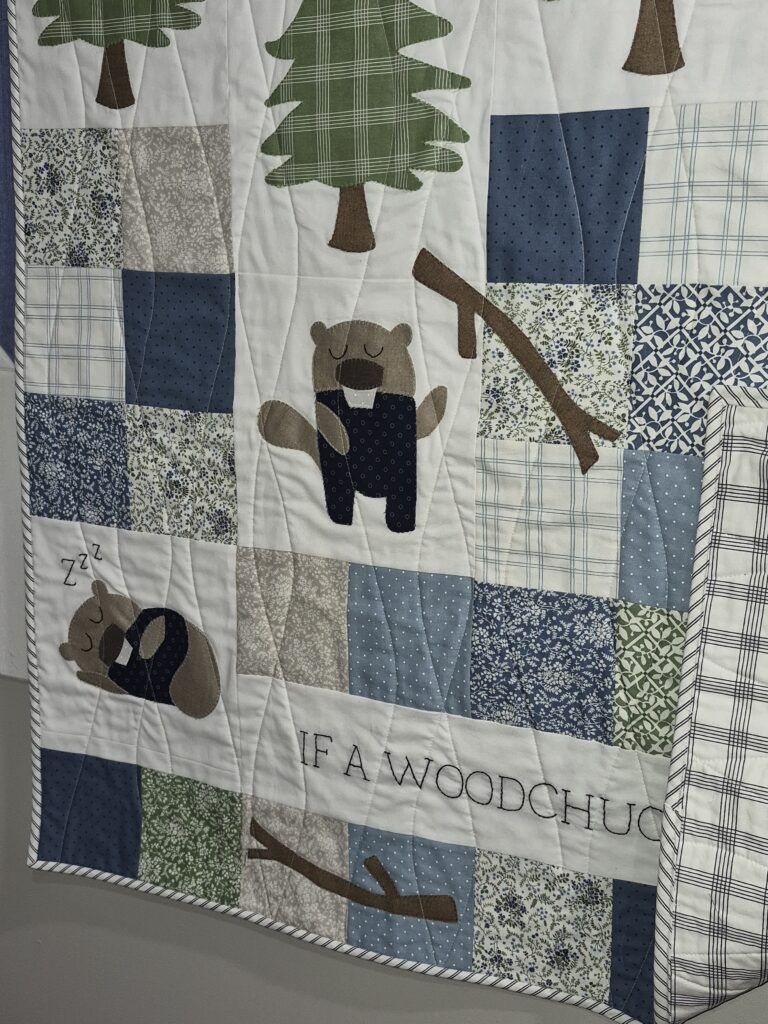
When hand quilting isn’t practical, hand embroidery (as shown in the lettering) is a perfect way to add a personal touch and just the right amount of texture to compliment machine quilting.
Timeless Prints and Color Palettes
Trends come and go, but certain prints have a way of staying relevant no matter the decade. Soft florals, small geometrics, reproduction prints, indigos, shirtings — these designs have been used in quilts for generations. They carry a sense of continuity, connecting your work to the long tradition of quiltmaking.
That doesn’t mean you need to avoid modern fabrics. It simply means choosing prints and colors that feel grounded, balanced, and true to your own style. When you love the fabrics you choose, that affection becomes part of the quilt’s longevity.
Design Choices with Longevity
Some quilts feel timeless the moment you unfold them. It’s not because they follow strict rules or avoid modern styles — it’s because their design choices have a sense of balance, intention, and clarity. When you choose elements that have stood the test of time, you give your quilt a visual language that will still feel beautiful decades from now.
Classic Blocks That Never Fade
Certain blocks have been loved for generations because they offer both structure and storytelling. Dresden plates, log cabins, nine‑patches, appliquéd vines, feathered stars — these designs carry a sense of continuity. They connect your quilt to the long tradition of makers who stitched before you.
Beginners often find comfort in these classics. Their familiarity makes them approachable, and their versatility means you can adapt them to any style, from traditional to modern.
Layouts That Feel Balanced and Enduring
Medallion quilts, framed centers, and thoughtful borders all contribute to that heirloom feel. These layouts create a sense of order and flow, guiding the eye across the quilt in a way that feels intentional and calm.
Even a simple quilt can gain heirloom presence with a well‑chosen border or a central motif. It’s less about complexity and more about harmony.
Simplicity That Lets the Craft Shine
Some of the most cherished heirloom quilts are surprisingly simple. A well‑pieced top, thoughtful quilting, and a harmonious palette can speak louder than the most intricate pattern. Simplicity gives space for the handwork, the fabrics, and the story to shine.
For beginners, this is empowering. You don’t need advanced skills to create something lasting. You just need clarity of design and a willingness to trust your instincts.
🧵Finishing Touches That Matter
If the techniques and materials are the structure of an heirloom quilt, the finishing touches are its signature — the quiet details that reveal the maker’s care. These are the elements people notice when they hold a quilt close, when they run their fingers along the edge, or when they turn it over to see what story is tucked into the back. They don’t require perfection. They simply require presence.
Labels: The Story on the Back
A quilt label is one of the simplest and most powerful heirloom details you can add. It transforms a quilt from an object into a piece of family history.
A label can include:
- Your name
- The date (or season) the quilt was finished
- Who it was made for
- A short message or blessing
- The quilt’s name, if it has one
Labels can be handwritten, embroidered, printed, or appliquéd. What matters is that they exist. Years from now, someone will turn the quilt over and feel connected to you because of that small square of fabric.
Pressing, Blocking, and Trimming With Intention
These steps are often overlooked, especially by beginners eager to reach the finish line. But careful pressing, straight trimming, and gentle blocking give a quilt that polished, heirloom presence.
- Pressing helps seams settle and fabrics relax
- Trimming ensures clean edges and smooth binding
- Blocking helps the quilt lie flat and age gracefully
These aren’t glamorous steps, but they’re the ones that make a quilt feel finished in the best possible way.
Binding: A Quiet Moment of Care
Hand‑stitched binding is one of those details that instantly elevates a quilt. It’s slow, rhythmic, and deeply satisfying. Even beginners can master it with a bit of practice, and the result is a soft, flexible edge that feels wonderful in the hand.
If hand stitching isn’t accessible for the whole quilt, even hand‑finishing just the corners or adding a decorative stitch can bring that heirloom touch.
🧵Thoughtful Storage and Gifting
How a quilt is cared for after it’s finished is part of its heirloom journey too.
- Storing quilts loosely folded or rolled
- Avoiding plastic bins that trap moisture
- Including care instructions when gifting
These small acts help ensure the quilt will be loved for years without unnecessary wear.
And when you give a quilt, consider sharing a bit of its story — why you chose the colors, what inspired the design, or what you hope it brings to the recipient. That story becomes part of the quilt’s legacy.
What heirloom qualities have you added to your own quilts? Do you typically reserve these techniques for gifting?
Share your thoughts in the comments below!